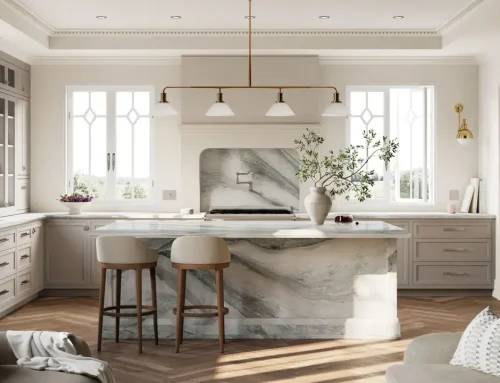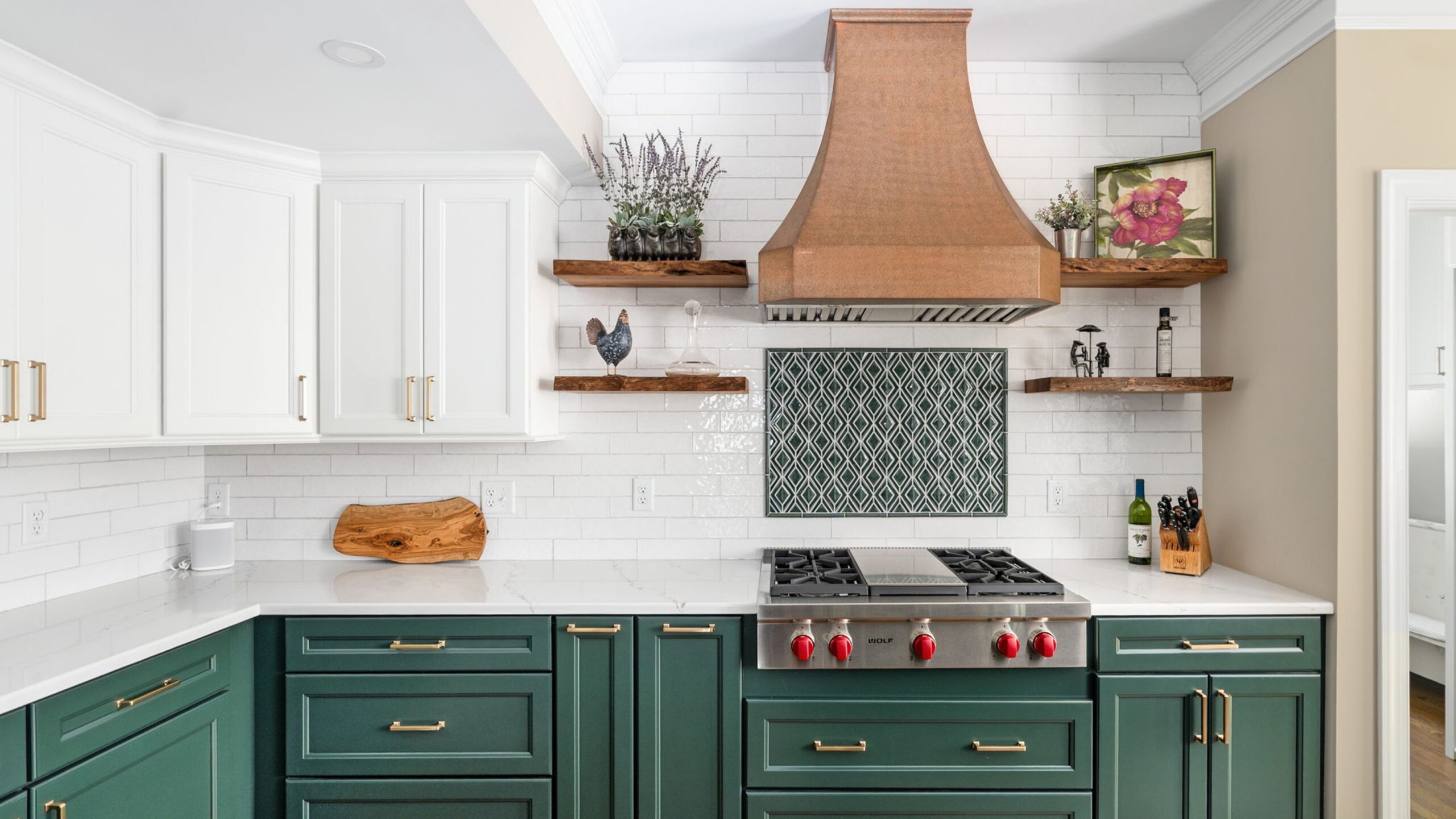
Open shelving has taken the design world by storm, gracing the pages of countless home magazines and dominating Pinterest boards everywhere. That stunning combination of a sleek slab backsplash with floating shelves above the cooktop looks absolutely gorgeous—until you actually start cooking. Let’s dive into the real trade-offs between open shelving and traditional closed cabinets, especially when it comes to that tricky area above the stove.
The Appeal of Open Shelving
The Pros
Visual Lightness and Space
Open shelves create an airy, expansive feel that closed cabinets simply can’t match. In smaller kitchens, they prevent that boxed-in sensation and make the space feel larger than it actually is.
Easy Access
Everything is within sight and reach. No more digging through dark cabinet corners to find that one spice jar or serving dish you need.
Display Opportunities
Beautiful dishware, artisan pottery, cookbooks, and curated collections become part of your kitchen’s décor. Your grandmother’s vintage mixing bowls finally get the spotlight they deserve.
Cost Savings
Open shelving typically costs significantly less than custom cabinetry. A few well-placed floating shelves can run a fraction of the price of upper cabinets.
Encourages Organization
When everything is visible, you’re naturally motivated to keep things tidy and edit down to only what you truly need and love.
The Case for Closed Cabinets
The Pros
Protection from Kitchen Elements
And here’s where your concern comes into play—this is the big one. Closed cabinets act as a barrier against:
- Grease and cooking residue that become airborne every time you sauté, fry, or sear
- Steam that carries moisture and microscopic food particles
- Dust that settles on every surface over time
- Odors that can permeate porous items
Low Maintenance
Wipe down the cabinet fronts occasionally, and you’re done. The contents inside stay clean and protected.
Hide the Chaos
Let’s be honest—not everyone has Instagram-worthy dishes. Closed cabinets conceal mismatched Tupperware, that collection of promotional mugs, and the general visual clutter of everyday life.
Longer-Lasting Contents
Items stored in closed cabinets stay cleaner longer, reducing the need for constant washing before use.
The Cooktop Conundrum: Why Location Matters
Here’s the truth that many design magazines gloss over: the area directly above and behind your cooktop is the worst possible location for open shelving.
What Actually Happens When You Cook
Every time you:
- Boil pasta, steam rises and carries starchy residue
- Sear a steak, microscopic grease particles launch into the air
- Stir-fry vegetables, oil spatters in all directions
- Simmer a sauce, evaporating liquids deposit minerals and food particles on nearby surfaces
That gorgeous slab backsplash behind your stove? It’s doing exactly what it’s designed to do—providing an easy-to-clean surface in a high-splash zone. But those beautiful open shelves above? They’re catching everything your range hood doesn’t.
The Soot and Grease Reality
Within weeks of regular cooking, you’ll likely notice:
- A sticky film on shelves and their contents
- Dishes that need washing before use, even if they’ve been sitting “clean” on the shelf
- Discoloration on lighter-colored items
- A subtle (or not-so-subtle) coating on decorative objects
Even with a powerful range hood, some particles escape. And if your hood vents back into the room rather than outside? The problem multiplies.
Finding the Middle Ground: Practical Compromises
If you love the look of open shelving but worry about practicality, consider these solutions:
- Strategic Placement
Use open shelving away from the cooktop—on perpendicular walls, above the sink, or in a butler’s pantry. Reserve the area above the stove for a powerful range hood and perhaps a simple, easy-to-clean backsplash that extends to the ceiling.
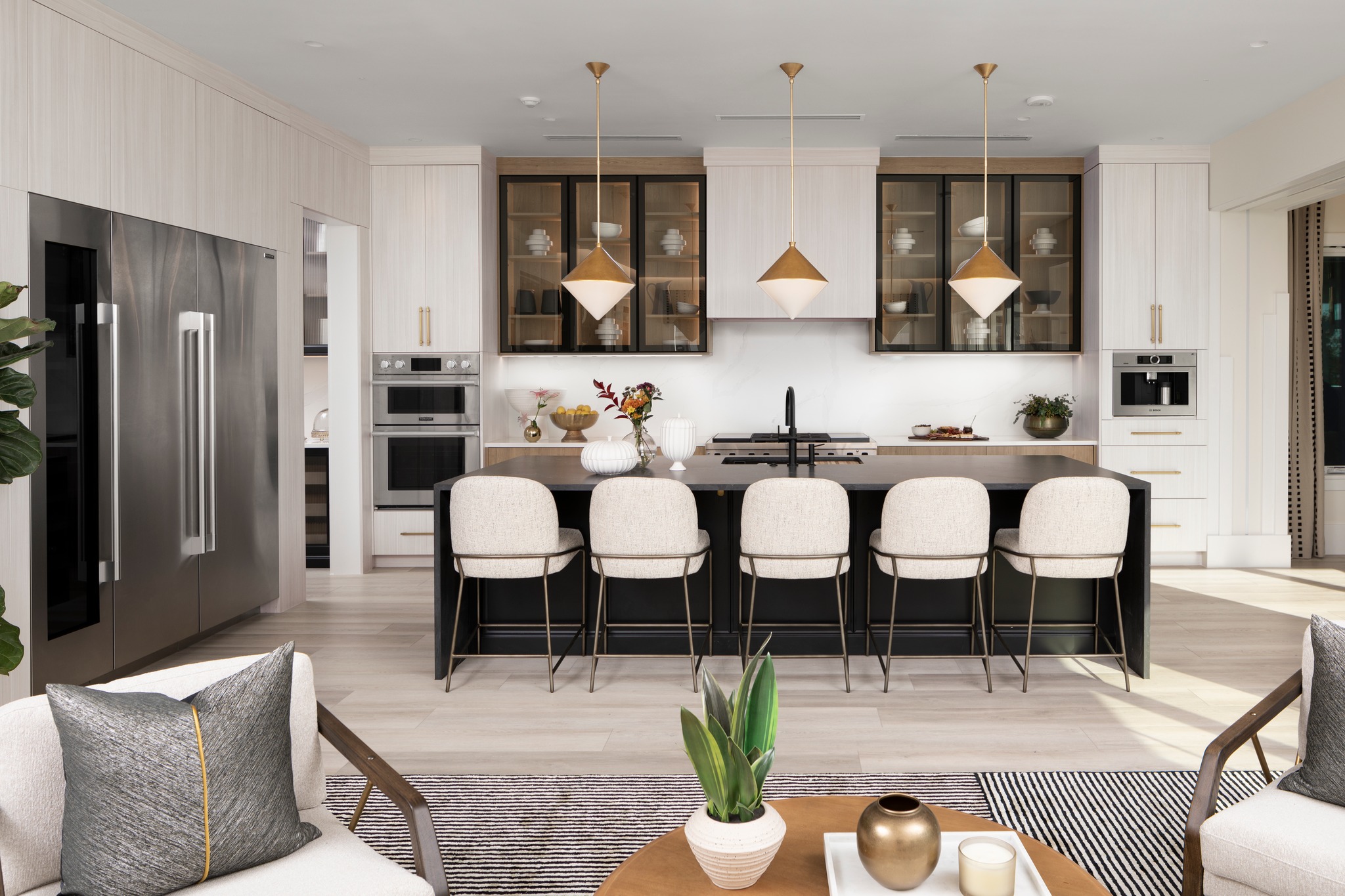
- Glass-Front Cabinets
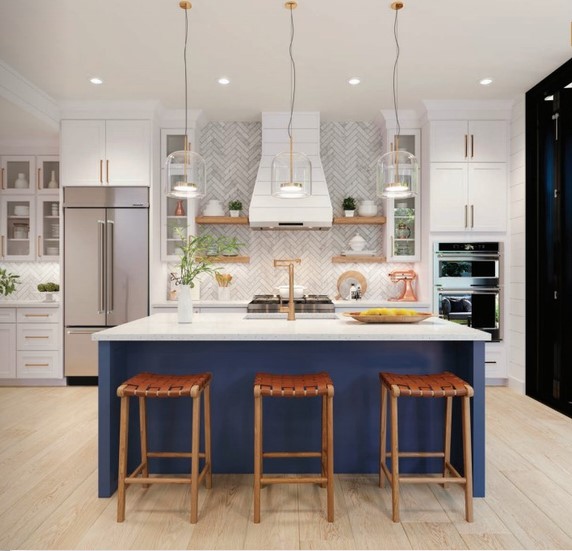
Get the visual lightness and display quality of open shelving with the protection of closed storage. Glass-front cabinets offer the best of both worlds above the stove.
- The Hybrid Approach
Mix open and closed storage throughout your kitchen. Use closed cabinets in high-grease zones and open shelving in calmer areas for decorative items and frequently used dishes.
- Display with Purpose
If you insist on open shelves near the cooktop, stock them with items you use daily anyway—they’ll get washed regularly. Save precious heirlooms and decorative pieces for protected areas.
- Invest in Superior Ventilation
A high-quality range hood that vents to the exterior, with adequate CFM (cubic feet per minute) for your cooking style, can significantly reduce airborne residue. This won’t eliminate the problem entirely, but it helps.
Questions to Ask Yourself
Before committing to open shelving, especially near cooking zones, honestly assess:
- How often do you cook? Daily home cooks will face more buildup than occasional meal-preppers.
- What do you cook? Lots of frying and sautéing creates more grease than baking or steaming.
- How do you feel about extra cleaning? Open shelves near the stove may need weekly attention.
- What will you store there? Frequently used items make more sense than display pieces.
- Is form or function your priority? There’s no wrong answer, but be honest with yourself.
The Bottom Line
Open shelving is undeniably beautiful, and there’s a reason it’s become such a popular design choice. However, when it comes to the area above and behind the cooktop, aesthetics and practicality are often at odds.
That stunning kitchen you saw in the magazine? It might have been styled for a photo shoot and never actually used for daily cooking. Or the homeowner might spend significantly more time cleaning than they’d prefer.
If the open-shelf look speaks to you, embrace it—but do so strategically. Keep open shelving away from the primary cooking zone, invest in excellent ventilation, and reserve the prime real estate above your stove for a statement hood or easy-to-maintain surfaces.
Your future self, scrubbing grease off dishes that were supposed to be clean, will thank you. Let us know your thoughts and let’s discuss what you would like to see in your new kitchen. Whether it’s a new build or a renovation, Elite Cabinet Designs team is here to help and answer any questions. Stop by our showroom in Miramar Beach, FL today!