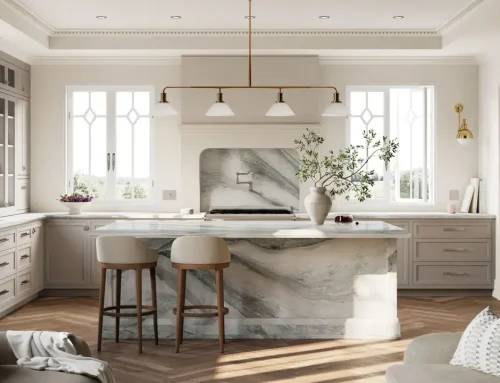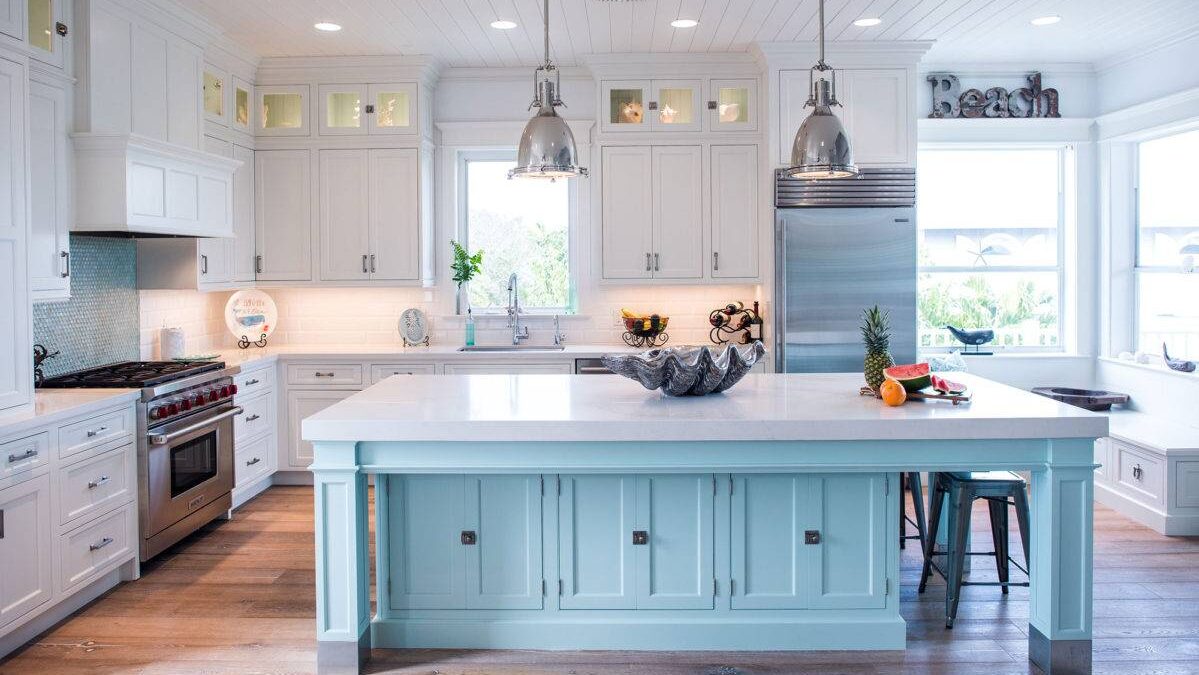
Statement Kitchen Island Design: Cabinet Ideas, Storage, and Seating That Elevate Your Home
The kitchen island has become the most consequential design decision in the modern home. It anchors the room visually, organizes the space functionally, and in the hands of a skilled designer, it becomes the element that transforms a kitchen from beautiful to extraordinary. Yet for all its prominence, the island is frequently underdesigned: chosen for size alone, fitted with generic cabinetry, and outfitted with stools that were purchased as an afterthought. Realizing the full potential of a statement kitchen island design requires thinking through four interconnected disciplines, each of which informs the others: scale, storage, seating, and the finish details that give the piece its character.
Getting the Scale Right Before Anything Else
Before a single cabinet door profile is selected, the island’s physical footprint must be established with precision. Scale is not a matter of filling available space; it is a matter of understanding how the island will function within the room’s larger circulation patterns, sightlines, and proportional relationships.
Clearance, Traffic Flow, and Proportions
The standard guidance for kitchen island clearance is a minimum of 42 inches on all working sides, with 48 inches preferred in households with multiple cooks or young children. These figures are not arbitrary: they accommodate open appliance doors, comfortable lateral movement, and the natural choreography of a kitchen in use. The island’s length should relate proportionally to the perimeter cabinetry, and its height, whether standard counter height at 36 inches or raised bar height at 42 inches, should be determined by its primary function.
How Lifestyle Should Shape Your Island’s Footprint
A generous island in a household that rarely entertains may feel grandiose rather than purposeful. Conversely, an island sized conservatively in a home that hosts frequently will quickly reveal its limitations. The most functional islands are those whose dimensions were calibrated not to a showroom floor plan, but to the specific rhythms and needs of the household they serve.
Kitchen Island Ideas That Go Beyond Basic Storage
The storage configuration beneath and around an island is where function either succeeds or disappoints. The most compelling kitchen island cabinet ideas share one quality: they were designed around specific behaviors rather than generic storage needs.
Drawer Banks, Door Cabinets, and Open Shelving
Wide, deep drawer banks have largely displaced traditional door-and-shelf base cabinets in custom island design, and for good reason. A well-proportioned drawer stack, running from a shallow top drawer sized for utensils to a deep bottom drawer sized for pots, offers immediate access without bending or searching. Door cabinets remain appropriate where concealed, flexible storage is required, particularly for items that vary in size from season to season. Open shelving on the island’s short ends introduces a display element, offering an opportunity to incorporate curated objects, cookbooks, or ceramic vessels that contribute to the kitchen’s overall composition. The ideal configuration blends all three approaches in proportions calibrated to the household’s actual storage demands.
Specialty Storage: Appliance Garages, Wine Drawers, and Concealed Charging
The most distinctive kitchen island cabinet ideas often live in the specialty storage details. Appliance garages with tambour or paneled doors keep countertop appliances accessible without sacrificing visual calm. Dedicated wine drawers, lined in wood or felt, protect bottles while keeping them within reach for the entertainer. Knife drawers with integrated wooden inserts bring order to a category of storage that is frequently neglected. Concealed charging drawers, built with discreet pass-throughs for cables and USB outlets, address the practical realities of the contemporary kitchen without compromising the cabinetry’s finished appearance. These details are not embellishments; they are the elements that distinguish a bespoke island from one that simply fills a space.
Seating That Looks as Intentional as It Functions
Island seating is where design ambition and practical ergonomics must reach an agreement. The most beautifully detailed island reads as an afterthought if the seating arrangement is ill-considered, and conversely, the right seating can elevate even a more modest cabinet package.
Overhang Depth, Stool Height, and Comfort Clearances
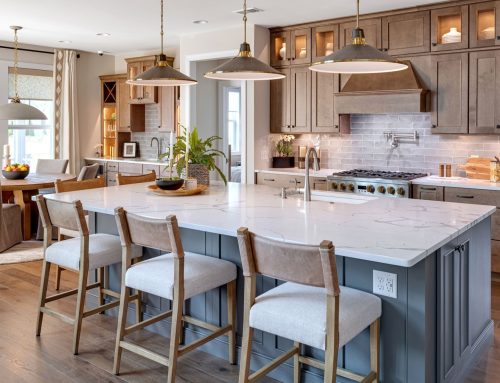
A countertop overhang of 12 to 15 inches is the standard range for stool seating at counter height; bar-height installations require a slightly deeper overhang of 15 to 18 inches to provide adequate knee clearance. The relationship between countertop height and seat height is equally precise: a 9- to 12-inch differential between the two surfaces is the accepted comfort standard. These measurements may seem granular, but their consequences in daily use are substantial.
Built-In Bench Ends and Furniture-Style Seating Details
Where space and budget allow, a built-in bench end transforms an island from a cabinetry piece into a piece of furniture. Upholstered in a fabric that complements the kitchen’s overall palette, the bench end introduces warmth and material variety while anchoring the seating arrangement with a permanence that freestanding stools cannot replicate. The transition between the island’s cabinetry body and the bench is an opportunity for a skilled craftsperson to introduce detail: a subtle reveal, a change in material, or an inset panel that gives the composition visual interest at close range.
Paneling and Finish Details That Make the Island the Room’s Focal Point
A statement kitchen island design earns that designation through its finish details as much as its form. The surfaces that meet the eye at close range, and from across the room, tell the story of the craftsperson’s intention.
End Panels, Fluting, and Inset Details
The island’s exposed end panels are among the most visible surfaces in the kitchen, and they deserve a level of consideration that generic cabinetry rarely receives. Furniture-style details, including applied fluting, raised panels, and inset reveals, transform an end panel from a flush face into a composed architectural element. Fluting in particular has emerged as one of the most refined details in contemporary custom cabinetry, capable of introducing texture and shadow without competing with the island’s primary horizontal lines. These details can be executed in the island’s primary finish or in a contrasting material, such as white oak against a painted base, for an effect that is layered and considered.
Two-Tone Color Strategies for a Curated, Custom Look
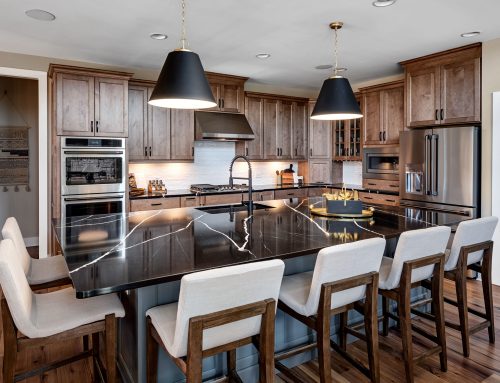
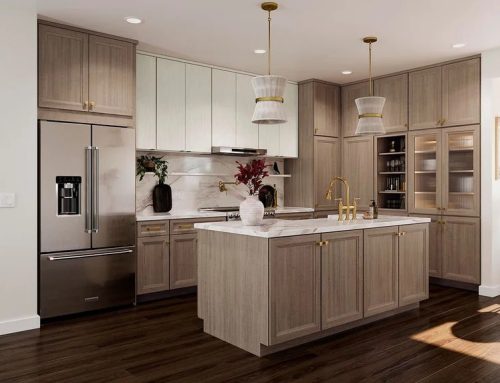
The practice of specifying the island in a color or finish that differs from the perimeter cabinetry is now firmly established in custom kitchen design, and the reasons are both aesthetic and practical. A distinct island color anchors the space, drawing the eye to the room’s functional center and providing a visual counterpoint to the perimeter’s longer, more continuous surfaces. Deep navies, forest greens, and warm charcoals are among the most enduring choices for a statement island, but the most curated results come from selecting a color in relationship to the specific stone, hardware, and wood tones present in the room.
Designing for Your Lifestyle, Not a Generic Kitchen
The most successful custom island designs share one quality: they were conceived for a specific household rather than a generalized version of one. Three distinct lifestyle orientations tend to shape the most meaningful design decisions.
For the household that entertains, the island is a stage. The seating is generous, the storage is organized around service, and the countertop material is selected as much for its visual presence as for its durability.
For the family household with young children, the island is infrastructure. Counter heights accommodate both adults and children, storage is layered for access at multiple levels, and materials are selected for resilience and ease of care alongside beauty.
For the serious home cook, the island is a tool. Workspace is maximized, specialty storage is deeply considered, and details such as a dedicated prep sink or an integrated cutting surface become the design’s defining features.
A well-designed kitchen island is not assembled from a catalog of options. It is conceived through a sustained conversation between the homeowner and a designer who understands how space, function, and craftsmanship intersect. At Elite Cabinet Designs, each island consultation begins with that conversation, and ends with a piece that is as singular as the household it serves. If you are ready to design a kitchen island that becomes the defining element of your home, we invite you to book a custom island design session with our team.